A CTO’s Perspective: Serious Network Automation Starts with Configuration Management
As the CTO of rConfig, I’ve spent years designing tools that help network engineers automate with confidence. In that time, I’ve seen one misconception persist across the industry: that network automation and configuration management are either the same thing or mutually exclusive.

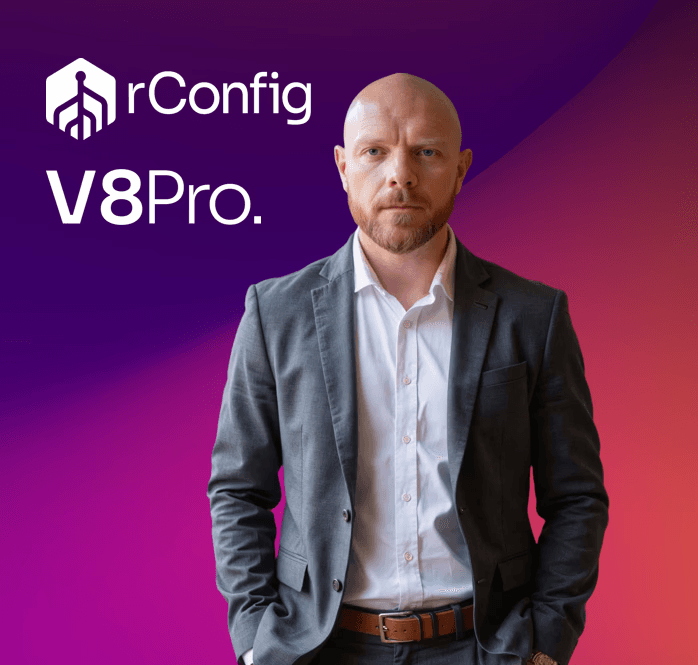
As the CTO of rConfig, I’ve spent years designing tools that help network engineers automate with confidence. In that time, I’ve seen one misconception persist across the industry: that network automation and configuration management are either the same thing or mutually exclusive.
I want to challenge that thinking. Network automation and Network Configuration Management (NCM) are not competitors. They are two halves of the same lifecycle. Automation is what you do to the network. Configuration management is what you do before and after automation. You cannot build a resilient automation practice without a system of record. And serious network automation starts with NCM.
This relationship is explored in depth in Network Automation vs. Configuration Management, but I want to share the view from the engine room.
The Myth of “Either/Or”
Many vendors position automation platforms as complete, end-to-end solutions, implying that once you deploy orchestration and workflows, configuration management is no longer necessary. This framing is misleading.
Automation platforms are excellent at execution. They push changes, orchestrate workflows and remediate issues quickly. What they are not, by default, is a system of record. They do not always maintain deep configuration history, comprehensive backups or long-term audit trails. Without NCM, automation is fast but fragile.
Configuration management provides the guardrails: automated backups, centralised storage, version history and policy enforcement. When automation and NCM are combined, speed is paired with safety. Without that pairing, teams move quickly but without a reliable way to understand, undo or audit change.
Automation Amplifies NCM
Modern network automation goes far beyond pushing configuration snippets. Today’s platforms automate provisioning, monitoring, remediation and compliance at scale. But all of these capabilities assume one critical prerequisite: that you know what your network looks like and what “good” looks like.
That knowledge comes from NCM. A robust Network Configuration Management (NCM) platform discovers devices, captures their configurations, tracks changes over time and enforces policy. Automation doesn’t replace this; it consumes it.
In practice, the most successful automation programmes build a network source of truth first. Automation workflows reference authoritative inventory and configuration data rather than hard-coded assumptions. After execution, the system of record is updated. This closed loop is what reduces incidents and prevents automation from becoming guesswork.
Why Serious Automation Starts with NCM
From my perspective, there are five non-negotiables that make NCM foundational to automation:
- Authoritative inventory. NCM discovers devices and records their state. Without this, automation may target the wrong devices or miss critical dependencies.
- Configuration history and backups. Automated rollback only works if previous versions exist. This is why Automated Configuration Backup is essential to any automation strategy.
- Policy framework. Compliance rules and templates defined in NCM guide automation workflows and prevent drift.
- Post-change verification. After automation runs, NCM validates that configurations match policy and records the new state.
- Long-term governance. Automation solves today’s problems; NCM ensures tomorrow’s changes don’t break yesterday’s guarantees.
rConfig’s Vision: Automation and NCM Unified
At rConfig, we built the platform around a simple belief: automation and configuration management must be unified. Treating them as separate tools creates gaps, duplication and risk.
rConfig combines execution and governance into a single lifecycle. Automation workflows handle zero-touch provisioning, bulk changes and remediation. NCM provides unlimited backups, version control, compliance auditing and reporting. Integrations with inventory systems and secrets management ensure automation always runs against accurate data and secure credentials.
This approach is designed for real-world environments, including Multi-Vendor Support, where networks span vendors, platforms and locations. It also aligns with modern regulatory expectations through built-in Compliance & Security Auditing, helping teams meet requirements such as NIS2 and DORA.
For larger organisations with advanced workflow and scale requirements, these capabilities are delivered through rConfig Enterprise.
Challenging the Old Way of Thinking
If you believe network automation and configuration management are the same thing, or that one replaces the other, it’s time to reconsider. Conflating the two leads either to reckless automation with no safety net, or to slow, manual operations disguised as governance.
The teams that succeed are the ones that embrace both disciplines. They automate aggressively, but with guardrails. They move fast, but with accountability. They treat configuration management as the foundation, not an afterthought.
That is the philosophy behind rConfig, and it’s why I firmly believe that serious network automation starts, and ends, with configuration management.
To learn more about the thinking behind the platform, visit About rConfig, explore real-world outcomes in our Case Studies, or get hands-on and Download rConfig.
About the Author

Stephen Stack
CTO, rConfig
Stephen is the creator of rConfig and a veteran network automation engineer with over 15 years of experience. He is dedicated to solving the complexities of network management through open-source innovation and enterprise-grade tooling.
Follow on LinkedInRead Next

Unlocking Laravel for Network Automation: Streamline Tasks with Ease

How to Set Up Laravel for Network Automation with rConfig in 10 Minutes